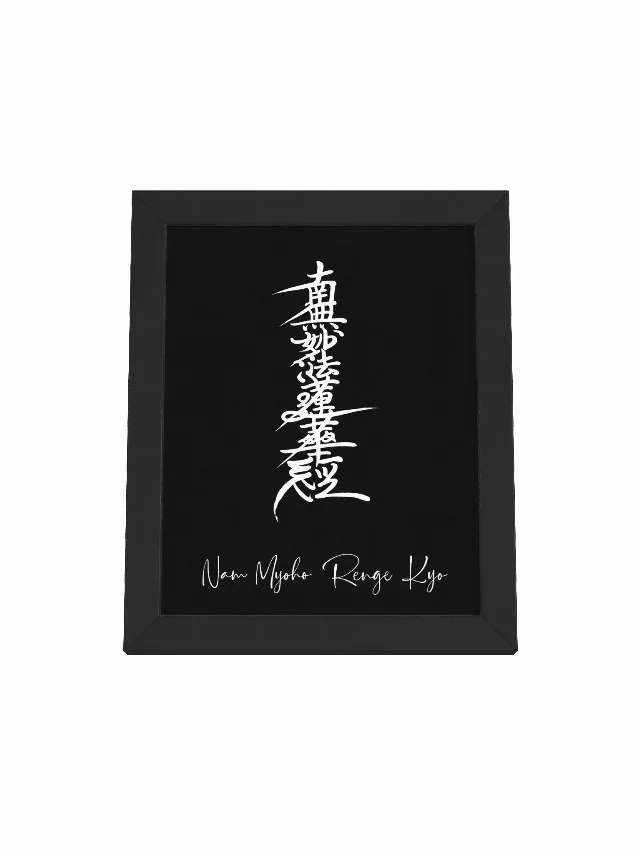
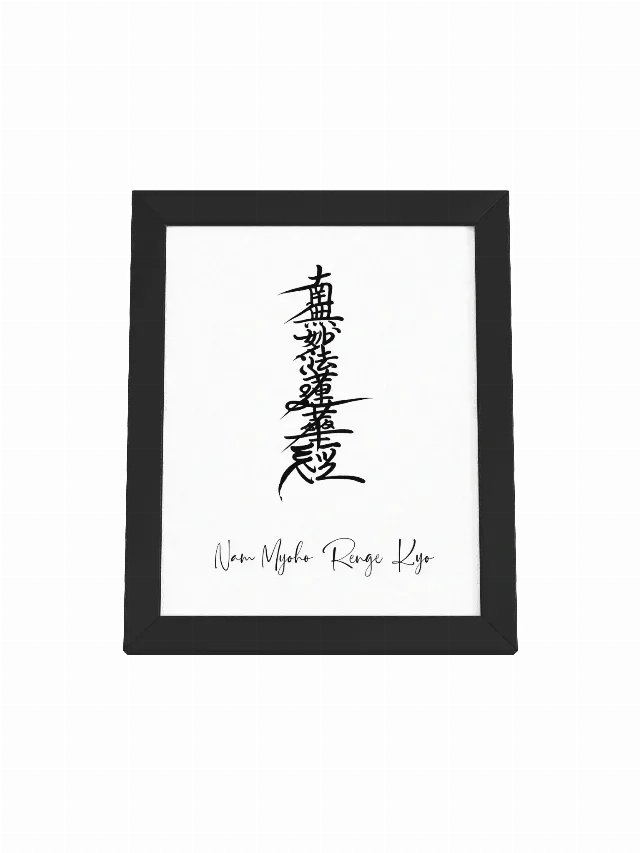
Chanting can help some people steady themselves when anxiety or depression is present, but it is a support, not a treatment. People often arrive at chanting for anxiety and depression hoping for relief, and it can give a frightened mind somewhere to rest and a daily rhythm to hold. It works alongside professional care, not instead of it.
What chanting can and cannot do
Chanting is sound held in the body. The repetition slows your breathing a little, and a slower breath gives an anxious mind something to lean on. Many practitioners describe a few minutes of daimoku as a place to set the fear down for a while. Not a place to solve it.
It cannot diagnose, treat or cure depression. It does not remove the causes of anxiety, and a hard week staying hard is not a verdict on your faith. If you take medication or see a therapist, chanting sits beside those things. Do not stop either one because a morning felt lighter.
Why a small amount is enough
Depression makes decisions expensive. On a bad day, the thought of twenty minutes done properly becomes a reason to do nothing at all.
So make it three minutes. Sit on the edge of the bed or in a chair by a window. Say Nam Myoho Renge Kyo out loud or under your breath. Let the sound be ordinary rather than beautiful. When your attention wanders, come back. That coming back is the practice, not a failure of it.
Some people keep their eyes open, resting on a wall or a candle, because closed eyes invite circling thoughts. Others want a blanket and the light off. Both are fine. You are not performing for anyone.
When it brings difficult things closer
Sitting still with nowhere to hide is unusual for most of us. Grief, anger or an old memory may arrive in the quiet. That is not a sign you are doing it wrongly, and it is not a sign that something is being cleared out. It is what a quiet room can do.
Stop if you need to. Open a window. Phone someone. Write one line about what came up, then close the notebook.
If a session leaves you shaky for hours, shorten the next one and mention it to a professional. A practice that makes you less safe is not one you have to keep. Chanting for anxiety and depression is not a test of endurance. The dose matters.
Getting help is part of the practice
Anxiety and depression are health conditions, and health conditions have treatments. Talk to a doctor. Ask about waiting lists and low-cost options. Tell one person you trust what your week is actually like.
That conversation can feel bigger than it should. It is still worth having, and it can happen before you feel ready.
Try this today. Set a timer for three minutes and chant in a chair you do not usually use, feet flat on the floor. When the timer rings, stop, even if you were just settling. Write one word for how you feel.
From Nichiren's writings. In his letter From Sado, written during a winter of exile, Nichiren describes cold, hunger and hostility without pretending they were small. He does not tell his reader that hardship is imaginary. He asks the reader to keep going inside it.
A gentle note. Chanting can sit alongside professional care, but it is not a
substitute for it. If you are in crisis or need someone to talk to, please reach
out to a local helpline through findahelpline.com.
Next step
If this week is heavy, the Hard Times path gathers the shortest, kindest practices in one place. Chanting Through Anxiety and Fear goes further into the practical side, and How Long Should I Chant Each Day? will help you set a size that fits.
When you are ready, try three minutes with the chant timer. That is enough for today.