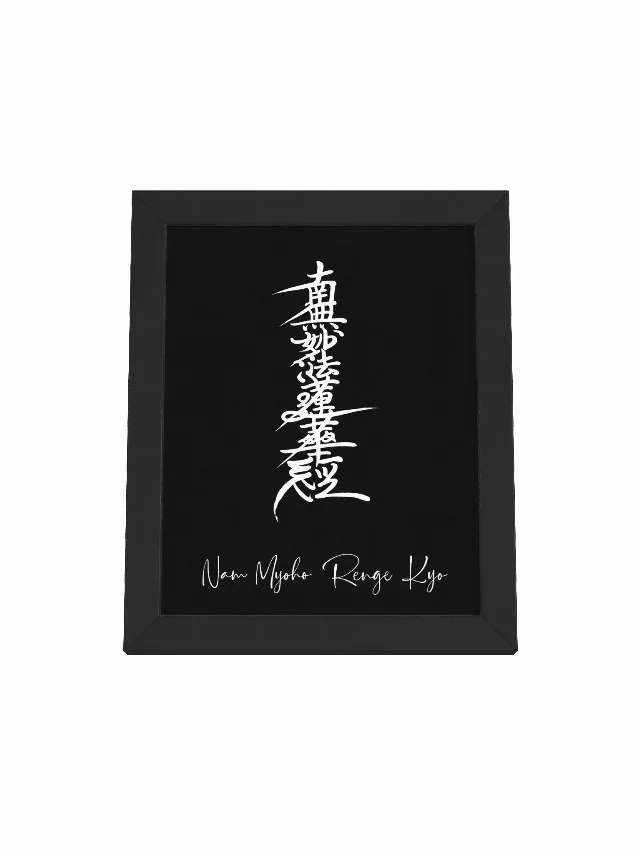
Chant for your health by naming what you actually want, then returning to the words when fear takes over. Chanting for health can support steadiness, courage and rest. It does not treat disease. Keep every appointment and every prescription, and let the practice help you live well inside your care.
What to ask for
Start with the plain wish. You want to get better. You want the treatment to work. You want to sleep tonight.
Then add the things that sit underneath it. Strength to follow a difficult regime. A clear head for a decision about surgery. Patience with a body that will not do what it used to. A few hours without dread.
This is not a bargain, and it is not an order placed with the universe. You are saying what is in your heart, out loud, and then giving your attention to something steadier than fear. People often find the practice is a way of standing up inside the illness rather than deleting it.
Chanting when your body is unwell
You do not need to sit upright, dress properly or chant for twenty minutes. Lie down if that is what your body allows. Rest a hand on your chest. Say Nam Myoho Renge Kyo slowly, or move your lips without sound if breathing is hard.
Five minutes is a real practice. So is one minute. Can I Chant Lying Down or When I Am Ill? has more on posture and pacing, including what to do when concentration keeps breaking.
If you are in hospital, you may have a roommate, a curtain and very little privacy. Chanting under your breath is fine. So is stopping when a nurse comes in.
Hope without a promise
Some people recover. Some people live with a condition for years. Some die of it. None of that is decided by how sincerely you chant, and none of it is a grade on your character.
That can sound cold when you are frightened. But it takes a weight off, too. You do not have to police your thoughts in case doubt makes you worse. You can be honest with the practice about how scared you are. Honesty is not a lack of faith. Chanting for health does not come with a promise attached.
What the practice asks is that you keep showing up for your life, including the boring parts of being ill: the forms, the waiting rooms, the friend who needs to be told what is happening.
From Nichiren's writings. In Reply to Kyo'o, Nichiren writes to a household where a child is seriously ill. He does not tell the mother that her fear is unfounded or that the illness is unreal. He treats the danger as real and her love for the child as entirely reasonable.
Try this today. Set a timer for five minutes. Lie down if you need to, rest one hand on your chest, and chant at whatever pace your breathing allows. When the timer rings, drink a glass of water.
A gentle note. Chanting can sit alongside professional care, but it is not a
substitute for it. If you are in crisis or need someone to talk to, please reach
out to a local helpline through findahelpline.com.
Next step
The Hard Times path collects the shortest practices for days when energy is low. Chanting Through Anxiety and Fear may help with the nights before appointments, and How Long Should I Chant Each Day? will help you choose a length you can keep.
You can begin now with three minutes on the chant timer. Then rest.