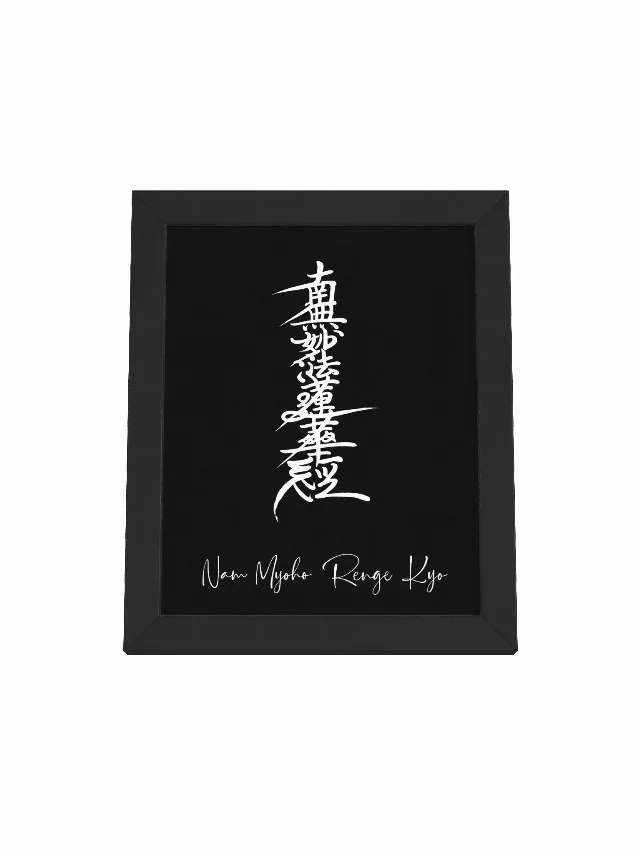
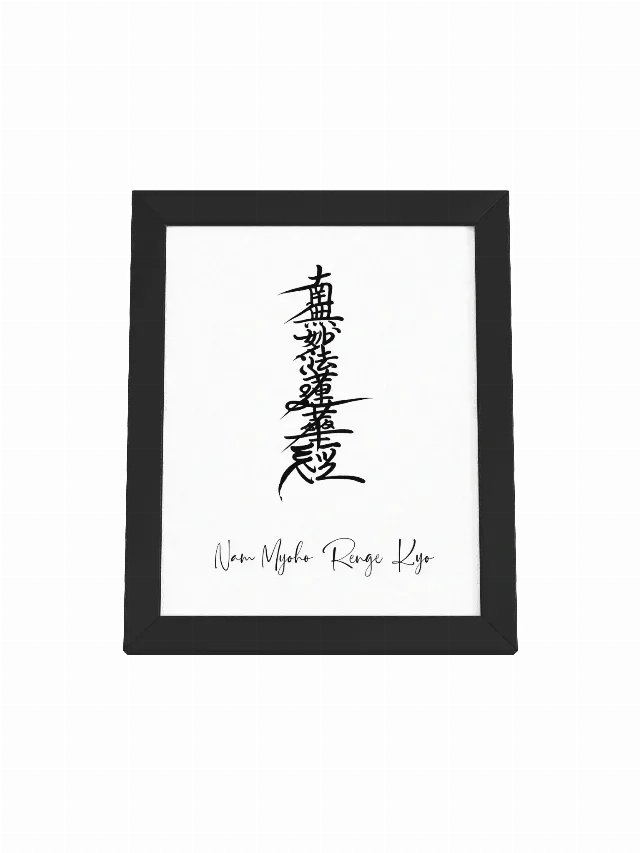
Nichiren, known as Nichiren Daishonin, was a Japanese Buddhist monk who lived from 1222 to 1282. Daishonin is an honorific title, roughly "great sage". He taught that the Lotus Sutra is the complete teaching for our time and that its title, Nam Myoho Renge Kyo, is the practice. He wrote letters and treatises that are still read today.
The outline of his life
He was born into a fishing family in Awa province, in what is now Chiba prefecture, and was ordained as a boy. He studied at several of the great Buddhist centres of his day and returned to Kamakura to teach.
In 1260 he wrote On Establishing the Correct Teaching for the Peace of the Land, a treatise arguing that the troubles of his society were rooted in confusion about the teaching. It was not a welcome argument. He was attacked, exiled to Izu, nearly executed at Tatsunokuchi, and exiled again to Sado.
He was eventually pardoned and lived his last years at Mount Minobu, where he wrote and taught. He died in 1282.
What he taught
His central claim was that the Lotus Sutra contains the fullest expression of the Buddha's teaching. For the age he believed he was living in, the Latter Day of the Law, he held that the title of the sutra was the practice suited to ordinary people.
That practice is daimoku, the chanting of Nam Myoho Renge Kyo. He also taught that every person has Buddha nature, the capacity to wake up, and that this life, with its work and family and illness, is where that capacity is realised.
Later traditions summarise his teaching through three great secret laws: the object of devotion, the title, and the place of practice. The words are technical, but the idea is simple. Practice needs a focus, a sound and a setting.
What his writing is like
He wrote to real people about real trouble. There are letters to a mother worried about a sick child, to a follower facing a battle, to a woman grieving a loss, and to men who had been disowned by their families.
The images are ordinary: snow, mud, a lotus, a broken cart, a lamp in the dark. He rarely wrote like a professor. He wrote like someone trying to keep another person standing.
That is one reason his letters, called gosho in this tradition, are still read. They are not systems. They are arguments, encouragements and sometimes sharp corrections, addressed to someone in particular.
Why he was persecuted
He criticised the Buddhist schools of his time and the authorities who supported them, in language that was not gentle. That is part of the historical record, and it is not a template for how to treat neighbours today.
For the communities that formed after his death, the persecutions became a way of understanding courage. He kept writing through exile and illness, and he did not withdraw his claims.
From Nichiren's writings. In Letter From Sado, written during his exile, Nichiren encourages his followers not to let persecution convince them that the teaching has failed. He uses the image of iron heated and hammered into a sword, and insists that people who keep going will reach Buddhahood.
Try this today. Read one Gosho study, such as Winter Always Turns to Spring, then chant for five minutes. One letter tells you more about him than a list of dates.
Next step
The Life, Persecutions and Writings of Nichiren Daishonin goes further into the man and his world.
Key Moments in Nichiren's Life sets the main events in order if you want a clearer timeline.
When you are ready to read him directly, the Gosho index lists the letters by title, with a short guide to each.
Then begin with five minutes of chanting on the chant timer, the practice his letters keep pointing back to.