A small study circle can begin with two or three people, one short text and a kettle. A Buddhist study group does not need a teacher, a building or a formal membership. Choose a text, set a time, read a few paragraphs aloud and talk about what you noticed. Keep the first meeting small and the tone warm.
Decide why you are meeting
A study circle can be many things: a reading group, a practice group, a place to ask questions, or a way to see friends. It works better when you know which one you are doing.
If the purpose is study, protect the reading time. If the purpose is friendship, leave room for tea. If the purpose is practice, make sure there is chanting. Trying to do all three at every meeting usually means none of them gets enough space.
A group with no purpose drifts into a social club. That is fine if it is what everyone wants, but disappointing if they came to study.
Write one sentence that describes the group. "We meet to read one short writing, chant for ten minutes and talk about what we noticed." That sentence will help you say no to things that would pull the group off course.
It will also help you decide who to invite. A study circle is not a recruitment drive. Invite people who are curious, not people you are trying to convert, and let them decide what they want to do with what they hear.
Choose the first text
The first text should be short enough to read together in the meeting. A long treatise will sink the first evening.
A short letter is a good start. The Gosho index, which lists Nichiren's writings, has the titles, and the question on how a beginner should start reading the Gosho suggests a sensible order. A single chapter or passage from the Lotus Sutra also works, especially if someone in the group can explain the context briefly.
You can also begin with a glossary entry. Ten lines on a term such as gongyo (the recitation) or daimoku (the chant) can give a group enough to talk about for forty minutes.
Avoid assigning homework for the first meeting. Read the text aloud together. That way nobody arrives unprepared and nobody feels tested.
Print the passage, or send a link a few days before. Keep it to two or three pages. Ask each person to bring one question about the passage; a question is easier to carry than an opinion. If the group is new, less text is almost always better.
A format removes the awkwardness of wondering what happens next. This one is easy to adapt.
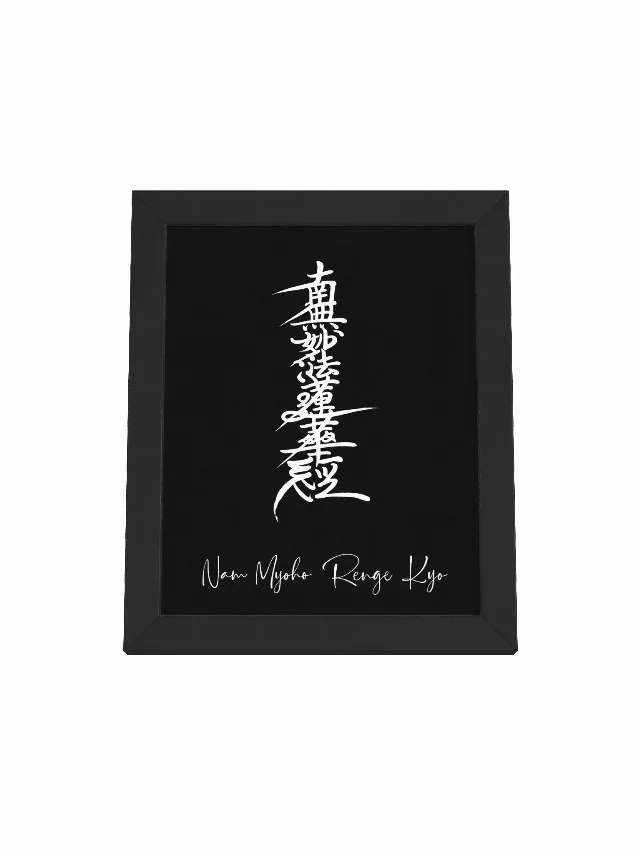
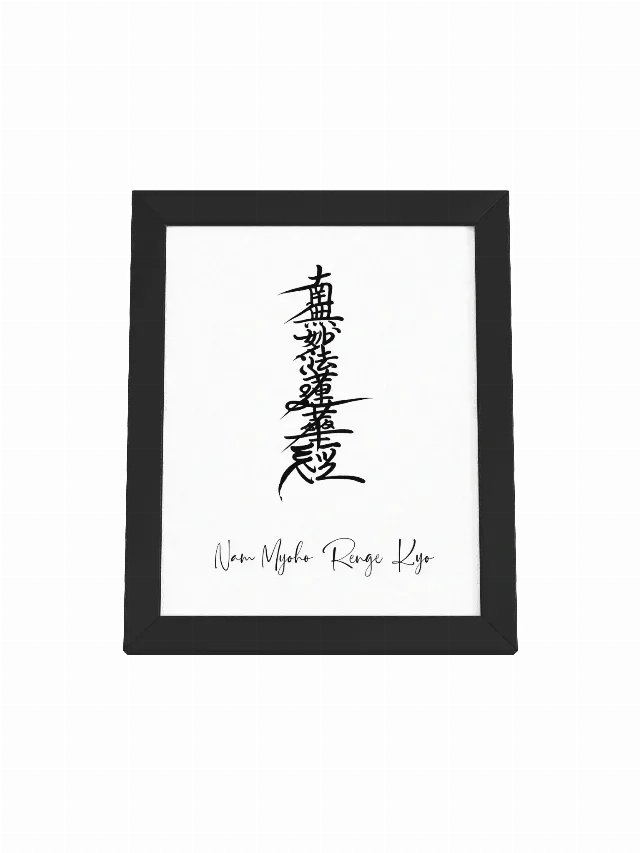
The first five minutes are for arriving. Tea, coats, names. The second five are for chanting. You can chant Nam Myoho Renge Kyo together for five or ten minutes, follow the gongyo recitation if the group knows it, or sit silently if the group prefers.
Spend ten minutes reading the passage aloud. Go around the room, one paragraph each, or let one person read it all. After the reading, sit in silence for two minutes. Silence gives people time to notice what they actually think.
The discussion takes the next twenty minutes. Start with a simple question: "What stayed with you?" Not "what does this mean?" The second question invites a lecture. The first invites a person.
Close with one sentence each: something you are taking away, or one thing you will try. Then end on time. Ending on time is a form of respect, especially for people who have arranged childcare or a long trip home.
The guide to faith, practice and study explains how the three fit together. It is useful background for a group that wants to do more than read.
Hosting without hierarchy
The quickest way to make a small group stiff is to install an expert. Even a kind expert can make everyone else feel like an audience.
Rotate the role of host. The host chooses the text, keeps the time and asks the first question. That is all. They are not the teacher.
Make it normal to say "I don't know". A group that can admit uncertainty is more honest than one that always has an answer. If a question is beyond the group, write it down and come back to it next time.
Watch the balance of talk. The confident person will fill the room if allowed. The host can gently invite others: "We have not heard from you. What did you notice?"
If someone becomes upset, do not try to counsel them. Listen, thank them for saying it, and point them towards professional support. A study circle is not therapy, and a good host knows the limit of their role. Silence is not failure either. Give people a moment to think before you fill the gap.
Differences will arise. Communities differ in how they read particular passages, and a small group will contain a range of views. You do not have to settle the argument. Say that the interpretation varies, return to the text, and let people hold their own understanding.
Keeping it going
Small groups survive on rhythm, not enthusiasm. Choose a schedule and keep it: the first Sunday of the month, every other Thursday, a weekday evening. Put the dates in a shared calendar. If one person is doing most of the work, ask for help before resentment sets in.
Keep the group small on purpose. Six to ten people is plenty. Beyond that, the quiet ones stop speaking and the host becomes an events manager. If more people want to come, start a second group rather than letting one grow huge.
Online works if people cannot meet in person. A video call with a clear start and end is better than a sprawling group chat. The guide to practising on your own has suggestions for people who cannot find a local group at all.
Money should be simple. If there is a room hire or a printing cost, split it openly. No one should make a profit from a study circle, and no one should feel that attendance depends on payment.
Groups do fizzle. People move, work changes, the initial energy fades. If that happens, do not treat it as a failure. Pause, or shrink to two people, or meet less often. A small circle that lasts is better than a large one that collapses.
Try this today. Message two people and offer a specific time: "Sunday at four, forty-five minutes, my kitchen." Ask them to bring one question and no preparation. If nobody can come, sit for ten minutes with the same text yourself.
From Nichiren's writings. On Establishing the Correct Teaching is written as a dialogue between a guest and his host. The form matters. Nichiren stages an honest conversation in which objections are heard and answered, rather than a lecture delivered to passive listeners. A study circle can borrow that spirit.
A gentle note. Chanting can sit alongside professional care, but it is not a substitute for it. If you are in crisis or need someone to talk to, please reach out to a local helpline through findahelpline.com.
Next step
Read faith, practice and study before the first meeting; it will help you explain why the three belong together. The question on the role of study answers the common worry that reading is somehow less spiritual than chanting. And if you are the only practitioner you know, practising on your own will help you keep going until the group takes shape.
The newsletter is a low-pressure way to stay in touch with the practice between meetings.