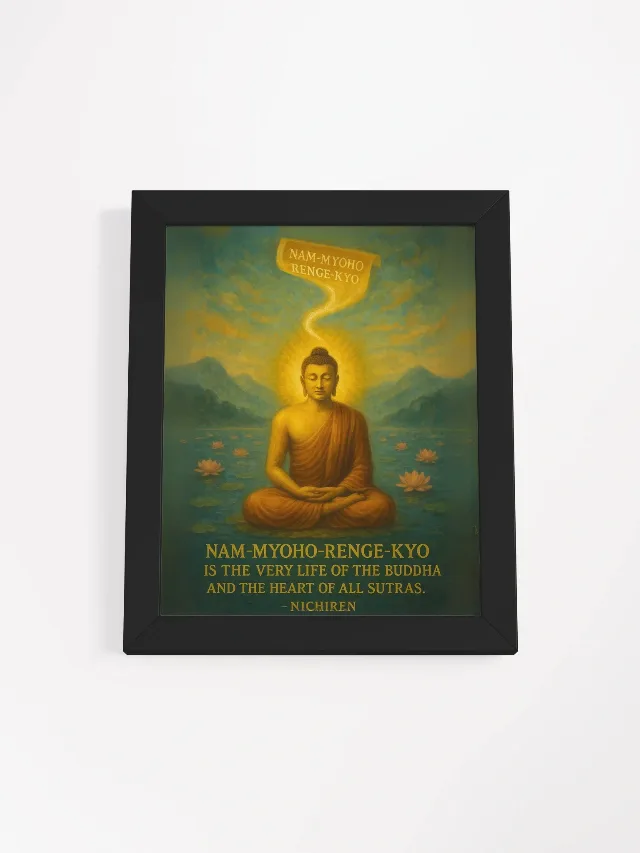
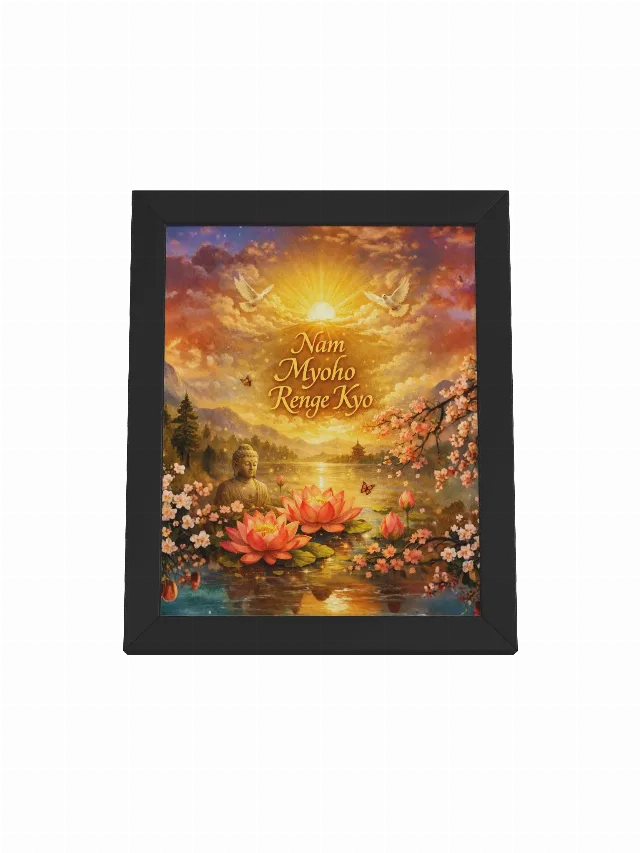
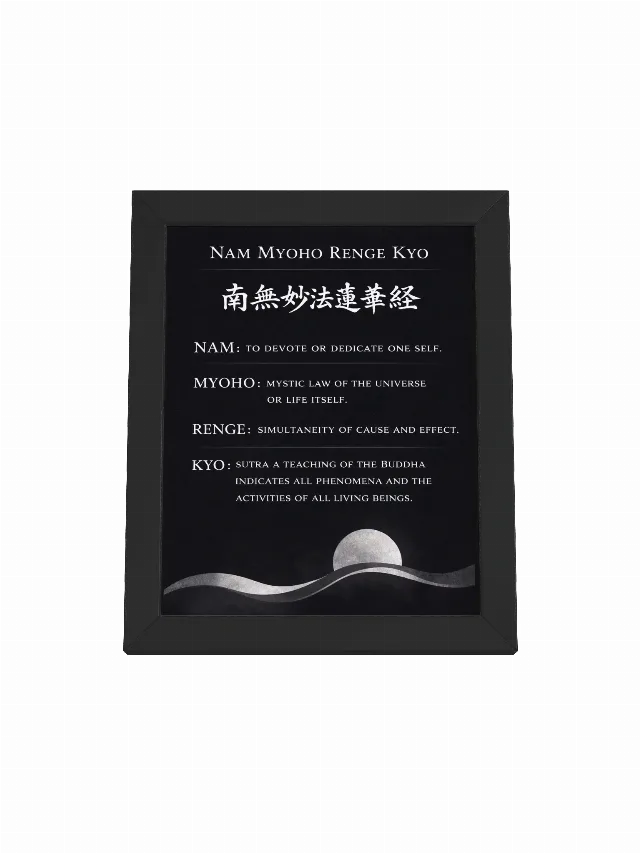
A simple altar usually holds water, something green such as leaves or flowers, and something to eat or burn, such as fruit, rice or incense. None of these is a gift the Buddha needs. Each one is a way of paying attention, and a single glass of fresh water is enough to begin.
The traditional offerings and what they mean
Offerings vary between communities, but a few are very common.
Water stands for clarity. It is the simplest offering and the one most often renewed daily. A small glass, filled fresh each morning, is plenty.
Flowers or greenery speak of impermanence. They open, fade and change, which is true of everything you care about. A single leaf or a sprig from a garden works as well as a bouquet.
Incense traditionally represents a good name or a good reputation spreading outward. It also marks the beginning of a session: one stick, lit and left to burn safely, tells the body that chanting is about to start. If smoke bothers anyone in the house, skip it without guilt.
Food such as fruit, rice or a small sweet expresses gratitude for what sustains you. It is usually removed before it spoils and eaten afterwards rather than wasted.
Light stands for wisdom. A candle or a small lamp is common, and an electric light is safer in a house with children or pets.
Why offer anything at all?
The offerings are not a payment and they do not flatter a being who is watching. They are a physical way of saying that this moment matters. You stop, you fill a glass, you straighten a leaf, and the small ritual settles the mind before you chant.
This is why an elaborate altar is not better than a modest one. The value is in the attention, not the price. A shelf, a clean cloth and one cup of water can carry everything the tradition intends.
Keeping it simple and fresh
Change the water daily and wash the glass now and then. Trim stems and remove anything wilted. Throw away food before it attracts flies. A dusty, crowded altar is harder to approach than a bare one.
If you live in a shared home or a small flat, keep the offerings minimal: water, a leaf, perhaps a small bowl of rice. If you are chanting before you have a gohonzon, an image or a plain wall is enough, and the offerings still count.
Some people add a photograph of someone they have lost, or a small object that reminds them why they practise. That is a personal choice rather than a rule. Communities differ, and none of these additions is required.
Try this today. Fill a small glass with tap water, set it on a clean shelf, and name one thing you are grateful for before you chant. Tip the water onto a plant afterwards.
From Nichiren's writings. In Happiness in This World, Nichiren insists that the benefit of the teaching is not saved for some later life. It belongs to this one, in the middle of work, family and ordinary days. An altar is where that ordinary life is brought into practice.
Next step
Caring for Your Altar and Offerings goes further into cleaning, fresh flowers and what to do with food. Setting Up a Simple Home Altar shows how little space you need. If you are still deciding how to relate to the object at the centre, read The Gohonzon: What It Is and How to Relate to It.
When the shelf is ready, the chant timer can time your first five minutes.