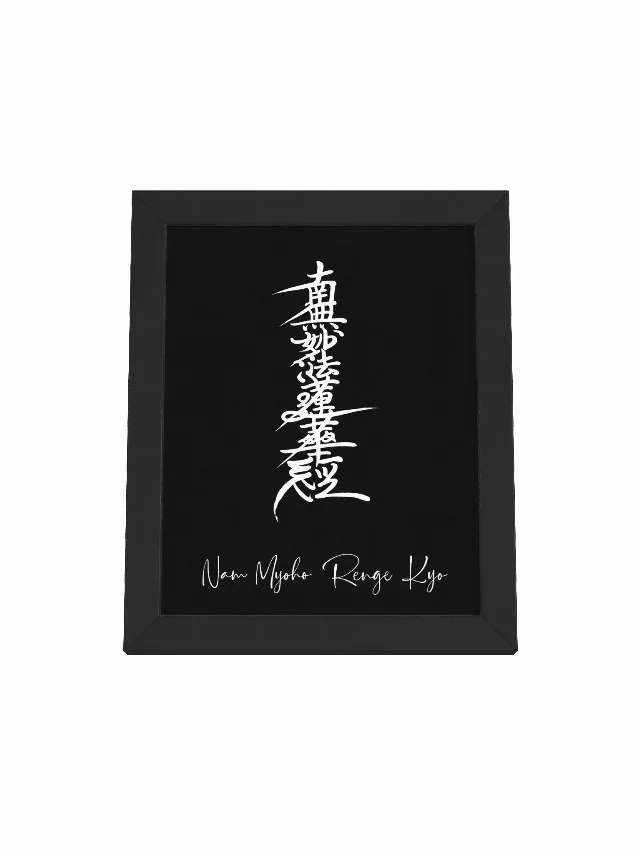
Start with five minutes in the morning and five in the evening. That is enough to build the habit. Many practitioners settle between ten and thirty minutes a session, and the right length is the one you can keep on a difficult day.
A realistic range
Five minutes is a real practice. It is long enough to slow your breathing and short enough that you cannot talk yourself out of it.
After a few weeks, many people find that five minutes begins to feel short. Ten or fifteen minutes a session is a common place to settle. Some sit for thirty or forty, especially at weekends or before a big decision.
If you add gongyo, the short service of recitation and silent prayer, the session gets longer. A full morning service can take twenty to forty minutes depending on the version. That is a reason to learn it slowly rather than all at once.
Why consistency beats length
A short daily practice builds a groove. A long weekly one does not, or not as reliably. The chant is a rhythm you return to, and the returning is part of what it teaches.
This is also why a missed day is not a debt to be repaid. There is no ledger. You begin again at the next session, and the rhythm picks up where you left it.
Practitioners often notice that the length matters less than the honesty. Ten minutes of distracted chanting is not wasted, but ten minutes of attention is different.
How to lengthen without strain
Add two minutes a week rather than ten at once. If you want a second session, make it shorter than the first. If you want to learn gongyo, learn one section at a time and let the rest wait.
Stop while you still want a little more. That sounds odd, but it protects the habit. A session that ends in relief is harder to return to than one that ends in quiet.
Try this today. Set a timer for five minutes, chant until it rings, then write one word for how you feel. Do the same tomorrow and compare the two words.
Signs you are overdoing it
Your voice is hoarse for days. You start rushing the words to get to the end. You feel dread before you sit down, or guilt when you miss a session. You use the practice as punishment for being unhappy.
Any of those is a signal to cut back, not to push harder. Rest is allowed, and a shorter session done with care is better than a long one done as penance.
If chanting is making a health problem worse, or if you are in pain, speak to a doctor. The practice supports care; it does not replace it.
From Nichiren's writings. In The Strategy of the Lotus Sutra, Nichiren encourages a follower under pressure to keep faith steady and patient. He does not offer a minimum number of minutes. He asks for steadiness, which is a better guide than any stopwatch.
A gentle note. Chanting can sit alongside professional care, but it is not a
substitute for it. If you are in crisis or need someone to talk to, please reach
out to a local helpline through findahelpline.com.
Next step
How Long Should a Beginner Chant? goes into more detail, including a week-by-week plan.
Is There a Minimum Amount of Chanting? answers the question for people with very little time.
Then set a timer and try five minutes with the chant timer. Tomorrow you can decide about six.