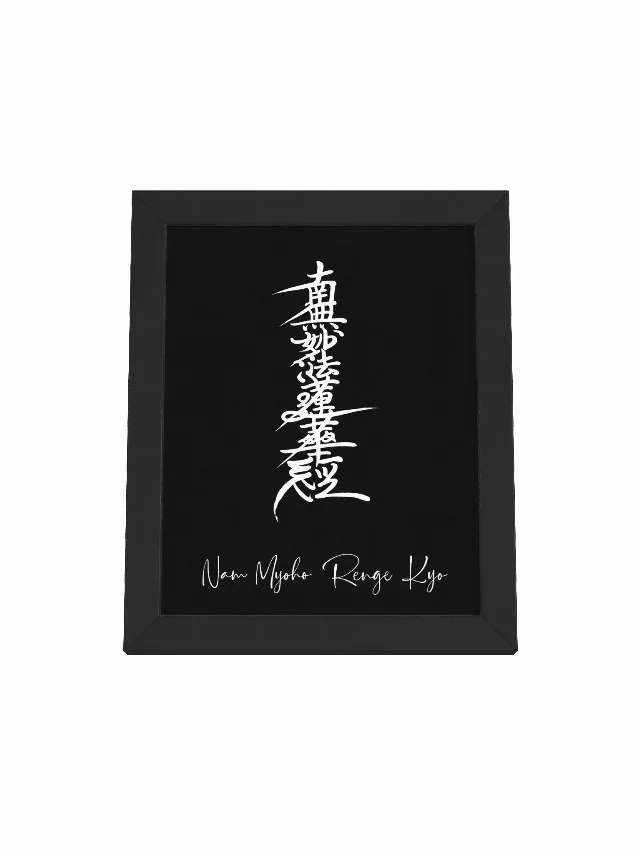
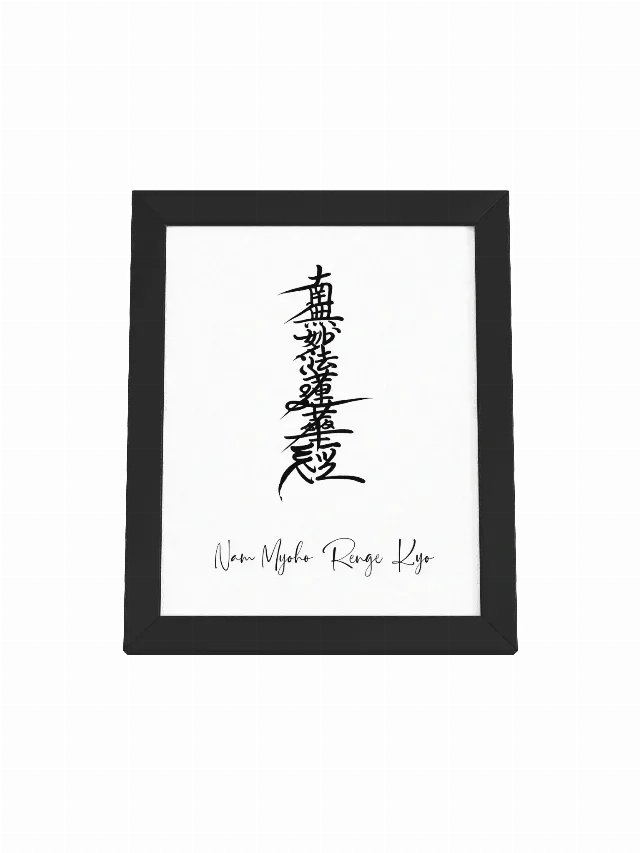
Yes. Children can chant, and many grow up hearing it at home. Keep sessions short, follow the child's interest and avoid turning it into a test. A few repetitions at a comfortable pace, with a parent nearby, are usually enough.
What children can manage at different ages
Under five, a child can join in for a few words, a bow, or the sound of the chant before bed. The point is familiarity, not accuracy.
Between five and eight, many children can manage one slow round of the chant, or a short part of a morning service. They may like holding a string of juzu, the prayer beads, because it gives their hands something to do.
Between nine and twelve, a child can learn a passage in pieces, a line at a time. Teenagers can decide for themselves how much they want to take part. Pressing an older child rarely produces a lasting habit.
How to make it pleasant
Do not force it. A child who is made to chant while resentful will remember the resentment longer than the words.
Explain the words simply: this is a way of paying attention to life, and of settling the mind. Let them ask questions. Let them be silly. A short session that ends in laughter is more likely to be repeated than a solemn one that ends in tears.
Chant together when you can. Children learn rhythm and belonging before they learn doctrine. If they want to stop halfway through, let them stop.
What children understand
Children understand images before ideas. The lotus that grows out of mud is easy to picture. So is the idea that what you do comes back to you, which is a child-sized version of cause and effect.
They also understand fairness and kindness, which are closer to the heart of the practice than any technical term. You do not need to explain Buddha nature to a seven-year-old. You can say that everyone has something good in them that can grow.
If a child asks whether the words are magic, answer honestly. They are not a spell. They are a practice, like learning an instrument or saying thank you.
If a child asks a hard question
Children ask why we chant, whether it works, and why they have to sit still. Answer in plain words and keep it short. "I don't know" is an acceptable answer to a question about how exactly it works.
If a child is frightened or unhappy, deal with that first. A parent's calm presence matters more than a perfect explanation, and a child should never be told that chanting is a substitute for telling an adult about a problem.
From Nichiren's writings. In Reply to Kyo'o, Nichiren writes to the parents of a seriously ill child. He urges them to hold firm in faith and not let fear decide how they see the situation.
Try this today. Invite, do not instruct. Chant for two minutes while a child is nearby, and let them join or not. Afterwards ask one open question: what did you notice?
Next step
Relationships and Family has more on practising alongside the people you live with.
How to Chant Nam Myoho Renge Kyo is written for adults but works as a script if you are teaching a child.
Is Everyone Welcome to Practice? answers the wider question about who belongs.
If you want to chant together, five minutes on the chant timer is enough for many children.