It can be described as both. Nichiren Buddhism offers ideas about life, suffering and cause and effect, and it also asks for practice, faith and, for many, community. The philosophy and the religion are two views of one thing. Which word fits best usually depends on what you are doing with it.
The philosophy: what it says about life
At the level of ideas, the teaching makes a few large claims. Every life contains Buddha nature, the capacity to wake up. That capacity is not reserved for monks or for people who have earned it.
It also describes ten states of life, from hell, a state of being trapped in rage or despair, to Buddhahood, a state of being fully awake. All ten are present in one person. These are not places you go after death; they are ways of experiencing the same day. Cause and effect runs through all of them, which is the teaching usually called karma.
You can examine those claims in your own experience. Do your states of mind shift within a single afternoon? Does your behaviour shape what comes back to you? That is philosophy in the old sense: an attempt to understand how life works.
The religion: practice, faith and community
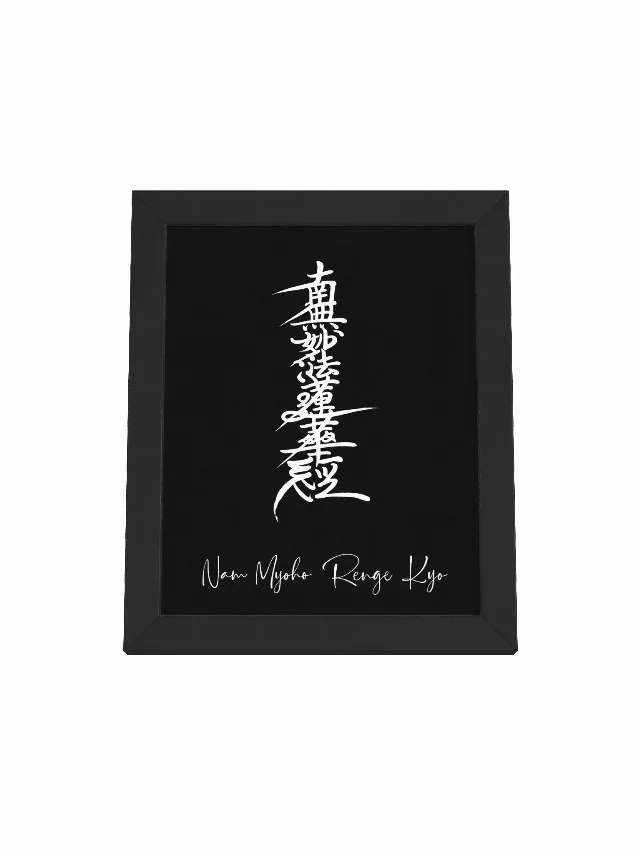
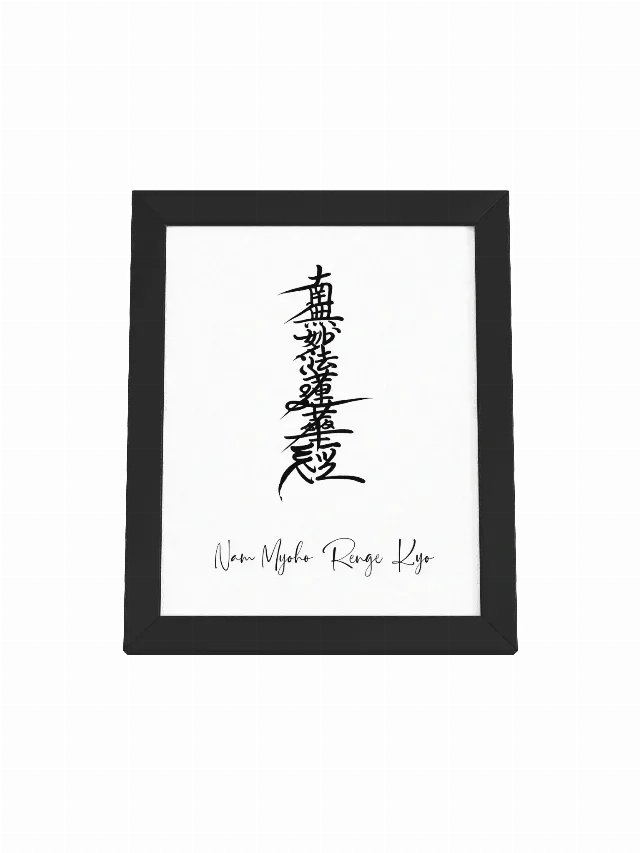
The same teaching also has a shape you can walk into. There is a chant, a posture, a short morning and evening service called gongyo, and often a scroll called a gohonzon on a small altar.
There is faith, which here means trust built by showing up rather than belief without evidence. There are ceremonies for weddings, funerals and memorials, and communities that sing and eat and argue together.
None of that is an add-on. In practice, the ideas are learned through the body: you chant before you understand, and understanding follows.
Why the either/or is a Western habit
In everyday English, religion often means belief in a god, and philosophy often means abstract argument. Neither description fits well.
Buddhism is not centred on a creator god, and Nichiren's writings are not system-building for its own sake. They are letters to farmers, mothers and warriors, written to help people through real trouble.
Japanese has its own categories, and they do not line up neatly with the English pair. When you force the question, you end up describing your own assumptions more than the practice.
What to call it if you practise
Many people simply say Buddhism. If the ideas are what drew you in, philosophy is a fair word too. If the chanting and the community are what hold you, religion is fair.
The label will not change what you do tomorrow morning. Chant, read a little, and notice what changes. The practice is not offended by either word.
From Nichiren's writings. In The Object of Devotion for Observing the Mind, Nichiren locates the object of devotion in the mind of an ordinary person, observed honestly. The teaching is not somewhere else, in a theory or a distant image. It becomes real where you are looking.
Try this today. Choose whichever label feels honest today, or none, and chant for five minutes anyway. Notice whether the practice asks you to believe anything before it asks you to try.
Next step
Who Was Nichiren Daishonin? gives the life behind the ideas, which makes the philosophy easier to place.
Faith, Practice and Study explains how the three fit together, if you want the religious side in plain terms.
For the ideas themselves, start with Nichiren Daishonin and follow the links from there.
If you want a structured next step, the Deepen Path lays out what to read and practise over the coming months.
If you would rather start with practice than study, five minutes on the chant timer is enough.