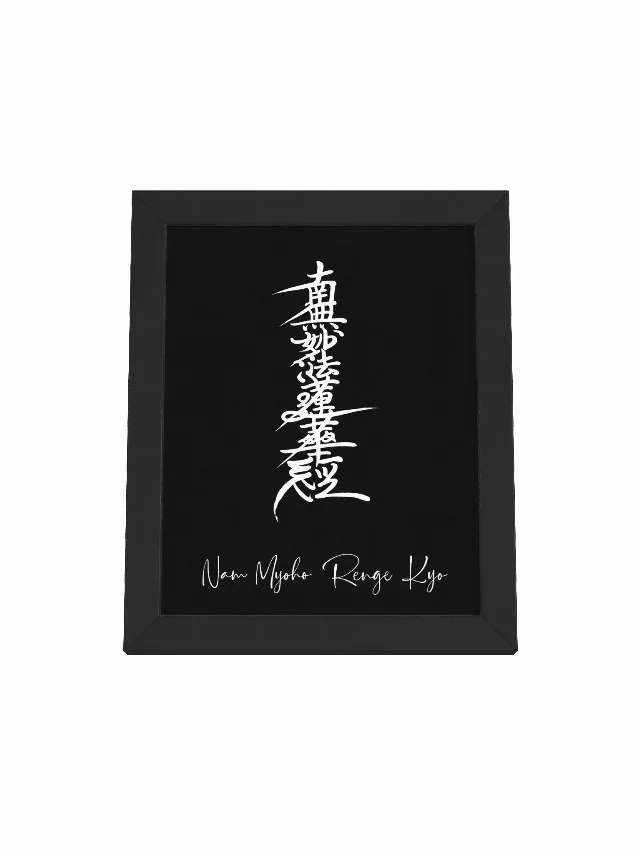
Chanting for anxiety is not a cure, and it does not replace professional care. It is a practice you can use alongside treatment: a way to steady the body, give fear somewhere to land, and remember that you are not alone in the room. Many practitioners use it as one support among several.
What chanting can and cannot do
Chanting can give an anxious day a shape. It offers a set time, a physical action and a sound to follow. The rhythm can slow a racing mind, and the words can remind you that the present moment is wider than the fear.
It can also connect you to other people. Even alone, you are joining a practice that others have kept for centuries. That sense of company matters when anxiety tells you that you are the only one who feels this way.
What chanting cannot do is diagnose you, cure an anxiety disorder, or replace therapy, medication or medical advice. It is not a test of faith, and a difficult session does not mean you are doing it wrong.
Be wary of anyone who tells you to stop taking prescribed medication because you have started chanting. That is not a Buddhist instruction. It is a dangerous claim, and you should speak to your doctor instead.
The honest position is that practice changes how you meet fear. It does not promise that fear will disappear. For many people, that shift is still worth a great deal.
Anxiety is not a spiritual failure, and it is not a sign that your practice is weak. It is a common human response, and it deserves care rather than judgement.
A three-minute practice for a hard moment
When anxiety is high, a long session is not realistic. Start with three minutes.
Put both feet on the floor. Let your hands rest in your lap. Keep your eyes open or half-open, so that you can see the room around you. There is no need to force deep breaths. Breathe normally and let the chant set the pace.
Say Nam Myoho Renge Kyo softly. You can whisper it. Listen to the sound of your own voice. When your attention runs off into the future, bring it back to the next syllable. If you have never chanted before, how to chant explains the words and posture.
Set a timer so that you are not checking the clock. When it rings, stop. Notice one thing in the room: the colour of a wall, the feel of the chair, the sound of traffic.
If you feel dizzy, stop and sit quietly. If chanting makes the anxiety worse, that is information, not failure. Try a shorter session another day, or choose a different support for now.
When fear makes concentration impossible
Anxiety can make the mind feel like a scanner that will not switch off. Every sound is a threat, every silence is a warning, and the words of the chant keep sliding away.
In that state, give the body more to do. Chant while walking slowly around a room. Hold a set of prayer beads and move them with each repetition. Say the words out loud rather than silently, so that your ears have something to follow.
Some practitioners find it easier to chant with other people, even at a distance. A video or recording can carry the rhythm when your own voice feels thin. The question on chanting along with a video explains the practical side.
If you are in bed and cannot get up, chant lying down. The question on chanting lying down or when ill makes the case for that being a real practice, not a lesser one.
And if concentration will not come at all, stop trying to make it come. Sit for a minute and breathe. The practice is not a performance. A minute of sitting still is not wasted.
Working with a mind that scans for danger
Anxiety often runs on unanswered questions. What if I lose my job? What if the pain is serious? What if I say the wrong thing?
One useful habit is to write the fear down in a single sentence. Not a story, just the sentence. Seeing it on paper can make it smaller and more specific.
Another is to set a short worry window. Ten minutes at a fixed time, with a notebook. Outside that window, you can tell yourself that the worry has a place to go later. This does not banish the thought, but it can stop it from taking the whole day.
Many people also find that sleep, food and limits on news help more than they expect. Caffeine and alcohol can make an anxious body feel more alert or more fragile. These are ordinary supports, not a treatment plan. If you are unsure what is safe for you, ask a doctor.
The practice can sit in the middle of that practical work. Chant in the morning before the phone, or in the evening before bed. A small, regular point is more useful than an intense session followed by a week of guilt. If you notice that you are using practice to avoid a phone call, a bill or a conversation, treat that as a signal to act, not as a moral failing.
When to get help
Anxiety is common, and help is available. You do not have to wait until things are unbearable before asking for support.
Consider talking to a doctor or a mental health professional if worry interferes with work, sleep or relationships, if you are avoiding more and more of your life, if you have panic attacks, or if you are using alcohol or drugs to cope. If you have thoughts of harming yourself, contact emergency services or a crisis line now.
Telling a professional that you chant is not a confession. It is useful information, like telling them that you exercise or pray. A good clinician will treat it as part of your life, not as a problem to be argued away.
You can keep practising while you get help. You can also take a break from practice while you focus on getting well. Neither choice makes you a bad practitioner. The practice is meant to support your life, not to add another standard you have to meet.
Try this today. Put both feet on the floor. Name five things you can see. Then chant softly for three minutes and stop before you are exhausted. Write one word for how you feel, without judging it.
From Nichiren's writings. In Happiness in This World, Nichiren advises a follower to regard both suffering and joy as facts of life and to continue chanting through both. He does not tell the follower to pretend that suffering is not real. He refuses to let either one become the whole story.
A gentle note. Chanting can sit alongside professional care, but it is not a substitute for it. If you are in crisis or need someone to talk to, please reach out to a local helpline through findahelpline.com.
Next step
The question on whether chanting can help with anxiety or depression gives a careful short answer. If fear is affecting your sleep, chanting lying down or when ill offers a gentler way to keep the thread. And chanting through grief is there if loss is part of what you are carrying.
The chant timer can hold three minutes while you breathe and say the words. Start there, and let that be enough for today.