Chant at a pace you could keep for ten minutes without running out of breath. Most practitioners land somewhere between a brisk conversational speed and a slow, deliberate one. Faster is not more devout, and slower is not more sincere. If your jaw aches or you feel light-headed, you are going too fast.
What a steady pace feels like
At a good pace you can hear each syllable. The words do not blur into one long sound. Your breath stays even, your shoulders stay loose, and you could stop in the middle of a line without gasping.
Try saying the phrase once at the speed you would explain something important to a friend. That is usually close. Then say it again a little slower, letting the vowels open. Most people find a comfortable middle within a few sessions.
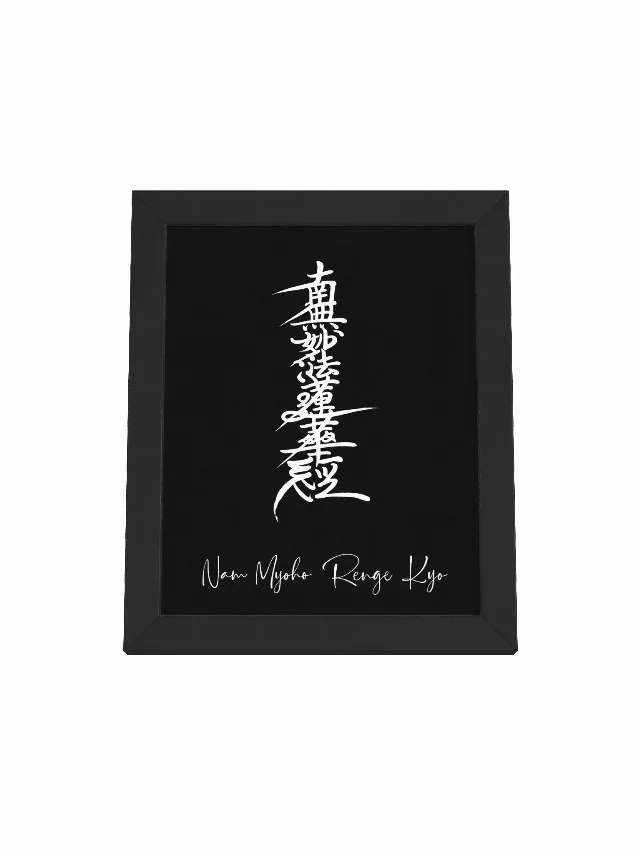
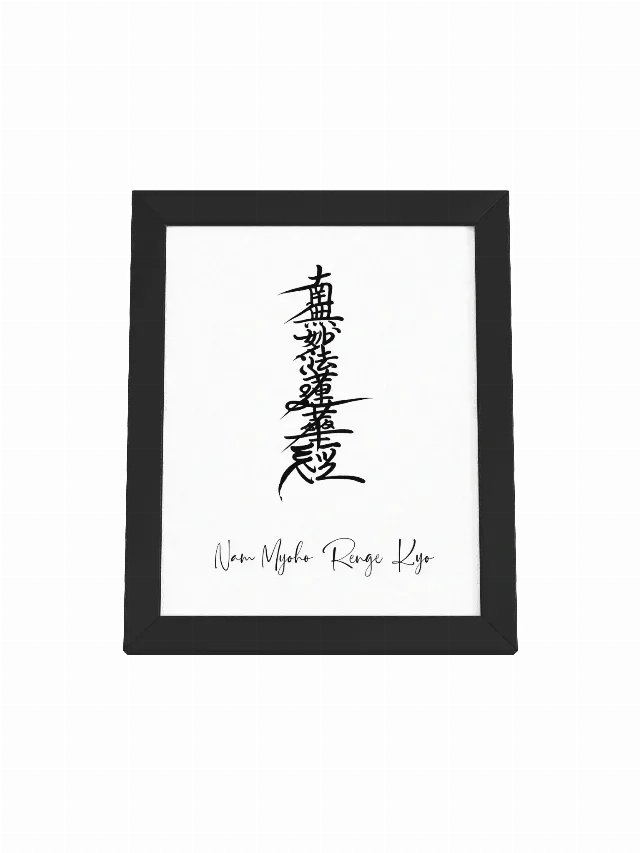
There is no official tempo. Daimoku, the chanting of Nam Myoho Renge Kyo, is not a race and no one is marking it.
Why people speed up
Nerves are the usual reason. The mind treats chanting like a task to finish, so the voice accelerates towards the end of a line. Wanting the session to be over is normal, especially on a difficult morning. Noticing it is the practice.
Group chanting can also pull you along. If you are following others, match them loosely rather than straining to keep up. A recording can have the same effect, so choose one at a speed you can actually sustain.
Restlessness is another cause. When a feeling is uncomfortable, the body often tries to outrun it. Slowing down brings you back into contact with it, which is why it can feel harder.
When to go slower, and when a little faster
Slow chanting helps when you are anxious, grieving or very tired. It gives the breath time to lengthen and keeps the words from turning mechanical. Many people slow down for the first minute, then settle.
A slightly brisker pace helps when you are sleepy, walking, or chanting while doing something with your hands. It keeps the body awake and the rhythm steady. In the morning, before coffee, a moderate pace often works better than a slow one.
If you chant gongyo, the recitation of sutra passages, you may naturally move faster through familiar lines. Let the text set the pace rather than pushing it.
Signs you are going too fast
Light-headedness is the clearest signal. So are a dry mouth, a clenched jaw, a tight throat and words that collapse into each other. Stop, breathe through your nose, and take a sip of water.
Speed is not a measure of sincerity. A slow, distracted five minutes is still five minutes of practice. A fast, breathless ten minutes is not better for being longer.
Try this today. Chant at half your usual speed for two minutes, then return to normal for two more. Notice which one lets you hear the words more clearly.
From Nichiren's writings. In Winter Always Turns to Spring, Nichiren reminds a follower that seasons change in their own time. Winter does not end because of one warm afternoon. The letter treats patience as strength, not as waiting passively.
Next step
What to Think About While Chanting helps when the mind races ahead of the voice. Chanting Out Loud, Softly or Silently explains how volume and pace affect each other. How to Chant Nam Myoho Renge Kyo covers breath, posture and a first full session.
To find your own rhythm, try the chant timer for five minutes and let the pace settle on its own.