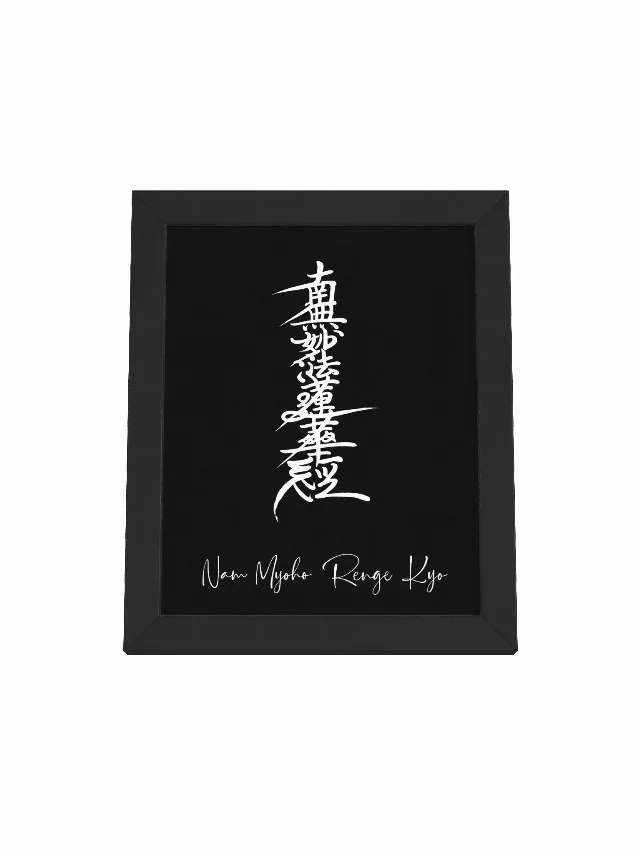
A wandering mind is not a failed chant. The practical answer to how to focus while chanting is to return, again and again, without scolding yourself. Set up the room, settle the body, use the sound as an anchor, and shorten the session when you need to. Each return is the practice.
Why the mind wanders
Attention is not a moral quality. It is a capacity, and it moves. A mind that jumps to the shopping list during a chant is doing what minds do when they are tired, worried or overloaded.
If you have had a demanding week, your head may be busier than usual. That is not a sign that you are bad at chanting. It is a sign that you have a lot to carry.
The aim is not to stop thoughts. The aim is to notice that you have left the chant and to come back. That movement of return is what trains attention over time.
It can help to know that this is normal in meditation of any kind. People who have sat still for years still have wandering minds. They have simply practised the return more often. You are not behind. You are learning the same skill they are still learning.
Make the room work for you
You do not need a perfect room. You need a room that gives your attention fewer places to run.
Put the phone in another room, or at least face down and out of reach. Close the laptop. Clear the one surface in front of you, even if the rest of the room is untidy. A single clear patch helps more than a whole tidy house.
If noise is a problem, close the door. Use earplugs if you have them. A fan or a quiet piece of music can cover the sound of traffic, though some people find music distracting. Test what works for you.
Sit in the same place each day if you can. The body learns the cue. After a week or two, walking to that chair starts to settle you before you have said a word.
If you share the room with someone, agree on a ten-minute window when you will not be interrupted. A closed door and a simple agreement can do more for focus than any technique.
Settle the body before the voice
A restless body makes a restless mind. Take thirty seconds before you begin.
Put both feet on the floor. Let your back be upright without being stiff. Drop your shoulders. Rest your hands together or on your lap. Let your eyes rest on one spot, or close them if you prefer.
Then take three slow breaths. Breathe in through your nose and out through your mouth. Do not make the breath big. Just let it be slower than usual.
When you start to chant, keep some of that steadiness. Let the sound come from a settled body rather than a strained throat. If you notice your shoulders rising, lower them again.
A cushion, a firm chair or a folded blanket under your knees can make more difference than you would think. You do not need to sit in a special posture. You need to sit in a way you can hold for the length of the session without fidgeting.
Use the sound as an anchor
The chant gives you something to come back to: the sound of your own voice. This is why it is easier to focus when you chant out loud.
If the physical side of the practice is new to you, How to Chant Nam Myoho Renge Kyo explains posture, hand position and pace.
Pick one thing to listen for. The beginning of each phrase. The pause between phrases. The way the vowels change. You do not need to analyse it. You just need to hear it.
Counting can also help. Count ten chants on your fingers, then start again. If you lose count, begin at one without comment. The count is a rail, not a test.
Prayer beads work the same way. Moving one bead for each chant gives your hands a job and your attention a physical rhythm. You do not need special beads. A smooth stone or a simple counter will do.
The return is the practice
At some point you will notice that you have been planning dinner for the last two minutes. That noticing is the good part. It means you have woken up.
When it happens, label it quietly. "Thinking." "Planning." "Remembering." Then say the next chant. No commentary. No telling yourself off. No promising to do better.
You may have to do this fifty times in five minutes. That is a perfectly good session. The mind wandered fifty times and you returned fifty times. That is fifty repetitions of the skill.
If you only return once, that is one repetition. It still counts.
The practice is not measured by how few thoughts you had. It is measured by whether you came back.
If the same thought keeps returning, let it be there. Give it a seat at the edge of the room. You do not have to argue with it or obey it. Just keep chanting.
Imagine the mind as a radio left on in another room. You do not have to switch it off. You can let it play while you do something else. The chant becomes the sound you are choosing to follow.
When to shorten or stop
Some days ten minutes is too long. You are exhausted, the house is loud, or you cannot settle no matter what you try. Shorten the session to three minutes.
Three focused minutes are better than ten minutes of strain. You are building a habit, not proving a point. A short session also protects the practice from becoming another thing you dread.
You can also split the session. Three minutes before work and three minutes before bed is a real practice. The two short sits may be easier to focus on than one long one, and they still mark the beginning and end of the day.
If your body feels uncomfortable, stop and rest. Chanting is not a physical endurance test. Sit quietly instead, or try again later.
And if you have had a good session, stop while it still feels good. Leaving a little on the table makes it easier to come back tomorrow.
Try this today. Chant ten Nam Myoho Renge Kyo slowly, counting them on your fingers. When you lose count, smile, and start again at one. Do three rounds of ten.
From Nichiren's writings. In Letter from Sado, Nichiren writes from exile about meeting difficulty without being broken by it. He does not pretend the hardship is small. He treats fidelity to the practice, rather than comfort, as the thing that matters. A distracted session you return to belongs to that same spirit.
Next step
If you are still unsure what to do with your attention, What to Think About While Chanting gives you three simple focuses.
Prayer Beads: How to Hold and Use Them explains how a string of beads can steady a restless session.
Should I chant with my eyes open or closed? answers a small question that makes a real difference for some people.
Set the chant timer for three minutes and practise returning.