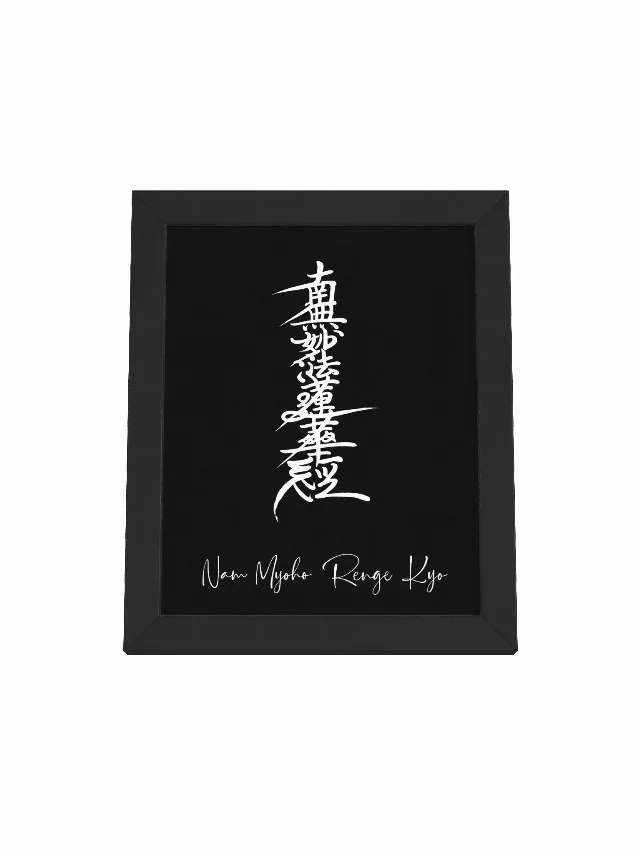
No. You can chant at home, alone, without joining anything or telling anyone. Groups can help you learn the words, keep a rhythm and find company, but they are support rather than a gate. The practice belongs to the person doing it.
What a group can give you
A local community can show you how the chant sounds when several people say it together. Someone can correct your pronunciation, lend you a book, or explain what happens at a service.
There is also the plain human benefit of company. Chanting alone at seven in the morning is fine; chanting with others once a week can make the practice less lonely. Buddhists call this community the sangha, though the word is used in more than one way.
Groups also carry ceremonies: weddings, funerals, memorials and seasonal gatherings. For many people, those are the moments when a practice becomes part of a life rather than a private habit.
What it can cost
Any group asks something of you: time, attention, sometimes money. None of that is wrong in itself. The question is whether the asking is honest and whether you can say no.
It is reasonable to ask where donations go, whether there is a fixed membership fee, and what happens if you stop attending. A healthy group can answer those questions without offence. A group that cannot, or that treats a question as disloyalty, is worth approaching slowly.
You are also allowed to visit, listen and leave without explaining yourself.
How to practise alone
The basics are simple. Choose a time and a place, even a chair by a window. Chant for five minutes. Read a short passage now and then. Keep a notebook with one line a week about what you notice.
If you want company without a group, one friend who also chants can be enough. You can also follow a recording, use the chant timer, or read the guides on this site at your own pace.
The practice does not require an audience. A person chanting alone in a small flat is doing the same practice as a room full of people.
If you do join, what to look for
Look for respect for your judgement. Look for transparency about money and time. Look for people who can say "I don't know" and who do not claim authority over your private decisions.
Be cautious of any group that uses fear to keep you, that says leaving will ruin your life, or that treats outsiders with contempt. Those patterns exist in many settings, religious and otherwise, and they are not the practice.
From Nichiren's writings. In The Heritage of the Ultimate Law of Life, Nichiren describes the deepest teaching being passed from person to person through faith, rather than through status alone. The point is not which building you attend. It is whether the teaching is alive in the person receiving it.
Try this today. List three sources of support for your practice: a friend you could tell, a book or video you trust, and a regular time to reflect. Whether any of them becomes a group is entirely your decision.
Next step
Practising on Your Own Without a Group is a practical companion if you are starting at home.
Can I Practise Entirely on My Own? answers the related question in more detail.
When you are ready to begin, How to Chant Nam Myoho Renge Kyo takes you through the first session without asking you to sign anything.
You can also begin with five minutes on the chant timer, with no group involved.