Earthly desires are enlightenment means that the wants, cravings and confusions you usually fight against are not obstacles to awakening but its raw material. In Nichiren's teaching, the mind that wants things is the same mind that can wake up. Nothing has to be removed before practice begins.
What "earthly desires" means
The Japanese term is bonno, often translated as worldly passions or delusions. It covers the whole messy weather of wanting: greed, anger, jealousy, fear, the craving for recognition, the ache for someone to stay.
These are not sins. They are ordinary features of having a mind and a body. Everyone has them, including people who have practised for decades.
The usual instinct is to try to get rid of them. The teaching says that instinct misunderstands the situation.
Why they are not the enemy
A desire contains energy. The wish to be seen can become the wish to see others. The anger that flares at injustice can become the courage to speak. The craving for comfort can become the wish for everyone to have somewhere safe.
This is the image of the lotus growing in muddy water. The flower does not need clean water to appear; it needs the mud. The mud is not the flower, but it is where the flower comes from.
Trying to delete desire tends to produce a split person: one who chants and one who secretly wants. The teaching invites both into the room.
What this does not mean
It is not permission to act on every impulse. A desire can be understood without being obeyed. Anger can be felt without being shouted.
It is not a claim that harmful behaviour is fine because it is "really enlightenment". Causes still have effects, and other people still get hurt.
And it is not a shortcut. The phrase describes a possibility, not an automatic result. Most of the work is in noticing what the desire is asking for, and choosing what to do next.
How it changes practice
Bring the desire into the session rather than leaving it at the door. If you are jealous, chant with the jealousy in view. If you are lonely, let the loneliness be there while you chant.
Then ask a plain question: what is this want actually asking for? Often it is something small and human, such as rest, respect or company. Once you know that, you can act on it honestly.
Over time the desires do not vanish. They become more transparent, and less able to run the whole day.
Try this today. Name one want you have been ashamed of. Say it plainly in one sentence, without judging it, then chant for three minutes.
From Nichiren's writings. In On Attaining Buddhahood in This Lifetime, Nichiren teaches that earthly desires are themselves enlightenment and that the cycle of birth and death is nirvana. The letter does not ask the reader to become desireless first; it points to the mind they already have.
Next step
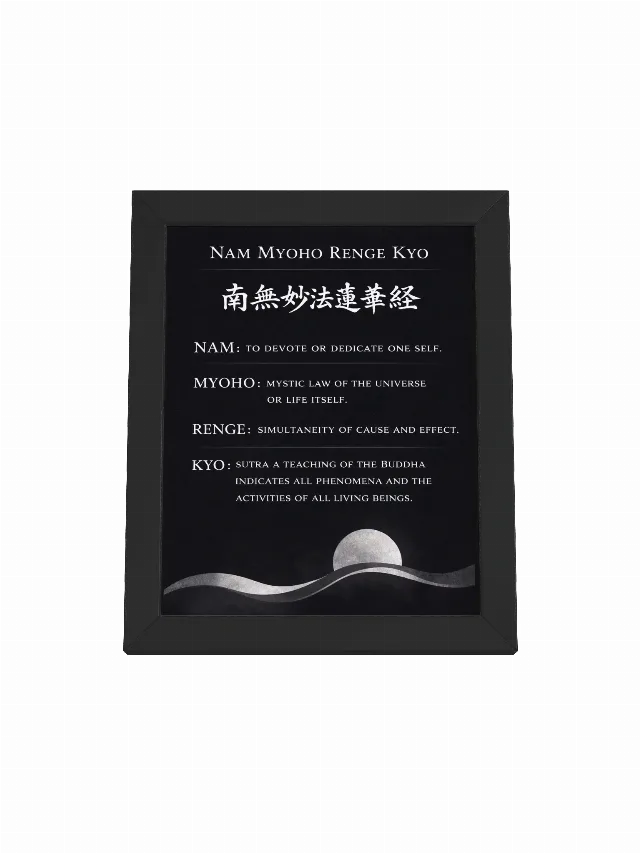
Earthly Desires Are Enlightenment goes further into the teaching. Changing Poison Into Medicine describes the same movement in different language. Nam Myoho Renge Kyo Meaning shows how the phrase itself carries the idea.
For a short session that includes whatever you are feeling, use the chant timer.