Start with five minutes in the morning and five in the evening. If that feels like too much, chant once for three minutes. The useful question is not how long to chant, but whether you will come back tomorrow. Short, repeated sessions build the habit far better than an ambitious hour you dread.
What a beginner practice actually looks like
A beginner practice is usually shorter and plainer than people expect. You do not need an altar, a scroll or a full liturgy to begin. Five minutes of daimoku, the chant itself, is enough to establish a rhythm. If you want to add gongyo, the short recitation of Lotus Sutra passages, that usually takes longer once you know it. Many people begin with the chant alone and learn the recitation later.
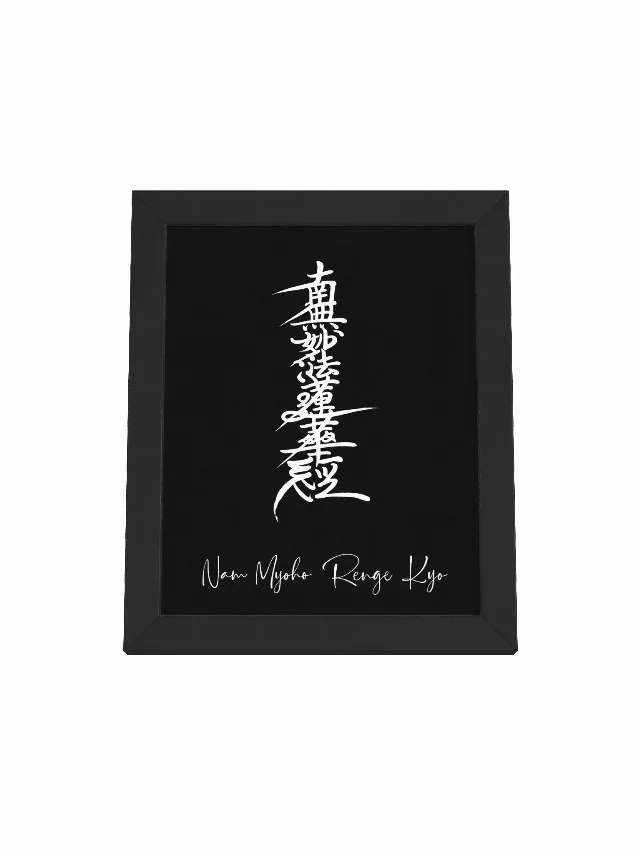
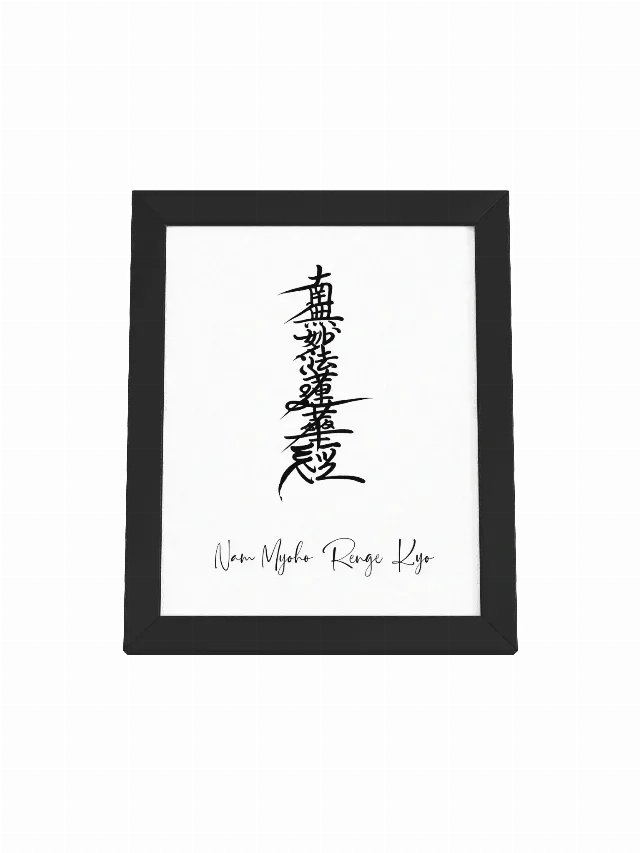
The chant is Nam Myoho Renge Kyo. You can say it sitting, standing or walking. You can say it badly, quietly or with a heavy heart. None of that stops it being the practice.
A plain five-minute session might look like this. You sit on a chair by the window. You put your hands together, take one slow breath, and begin. You say the chant at a pace that lets you hear each syllable. When your attention drifts to the shopping list, you come back. At the end, you sit still for ten seconds before you stand.
That is a complete session. Nothing is missing.
The only real requirements are a little time and a willingness to return.
A one-week experiment to find your length
Guessing rarely works. Test instead. For days one and two, chant for three minutes. For days three and four, chant for five. For days five and six, try seven. On day seven, either stay at five or move to ten if the week has been gentle.
Use a timer so you are not checking your phone every few seconds. Keep the session at the same time of day where you can, because the clock does half the work of remembering.
At the end of the week, ask three questions. Did you finish most sessions? Did your voice and back feel comfortable? Were you relieved when the timer rang, or did you want a little more? Those answers are more useful than any recommended number.
If a day slips by, do not restart the week from day one. Pick up at the next session with the length you had reached. The plan is a guide, not a contract. A beginner who chants four times in seven days is still building something real.
Why shorter sessions often work better
A short session is easy to repeat. Repetition is what makes a practice part of your life rather than a project you abandon in February. Long sessions can be lovely when you have the time, but they are a poor foundation if they leave you tired or resentful.
There is also the question of attention. Five minutes of listening to your own voice is worth more than twenty minutes of rehearsing tomorrow's meeting. A smaller container can help you stay inside it.
Life is uneven. A practice that fits into a normal Tuesday will still be there on the difficult ones. A practice that needs an empty house and a free hour will vanish as soon as either disappears.
Imagine a week when a work deadline lands on the same day as a parent's appointment. A five-minute session fits into the car park before you go in. A forty-minute session does not. The short version keeps the thread; the long version becomes another thing you failed to do.
Short does not mean rushed. Say the words clearly. Sit upright enough to breathe. Give the five minutes your attention, and then stop.
When should you add more time?
Wait two or three weeks before adding anything. Then add two or three minutes, not twenty. The aim is a gentle stretch, not a test of endurance.
These are good signs that you are ready for a little more:
- You settle into the chant faster than you did in week one.
- You stop watching the timer quite so often.
- You finish with a question or a line you want to sit with.
- You miss the session on days when you skip it.
None of these signs is a rule. They are simply evidence that the habit has taken root. If they are absent, stay where you are. There is no prize for rushing ahead.
How long do experienced practitioners chant?
Honest answer: a wide range. Some people chant for ten minutes a day. Some sit for thirty. Some do a longer session at the weekend and shorter ones during the week. A common shape is a morning and evening session, with gongyo and daimoku, but the length varies with energy, work, family and personality.
It is not a scoreboard. A person with a newborn and a person with a quiet study may keep very different schedules and both be practising sincerely. Comparisons here are usually unkind and rarely accurate.
If you meet practitioners who chant for an hour, you have not found the standard. You have found one person's current rhythm.
The same is true in reverse. A ten-minute practice is not a beginner's practice forever. It may be exactly right for a decade. What matters is that the time is real, not that it is impressive.
What to do when you barely have time
Chant once. One slow Nam Myoho Renge Kyo before you open the laptop, or three minutes in a parked car before a difficult appointment. A small session keeps the thread intact.
Missing a day is not the end of the practice. Treating the missed day as proof that you are bad at it is the real risk. Begin again at the next opportunity, without a speech to yourself.
It helps to decide your minimum in advance. Perhaps it is one slow chant before bed. Perhaps it is three minutes at the kitchen table before the house wakes. Write it somewhere you will see it. On a hard day, the decision is already made.
Some days will be five minutes. Some will be one minute. A few will be longer than you planned. All of it counts as showing up.
Try this today. Set a timer for five minutes and chant at the kitchen table. Put your phone face down, out of reach. When the timer rings, stop, even if you feel you could go on. Draw a small dot on a calendar.
From Nichiren's writings. In Winter Always Turns to Spring, Nichiren encourages a follower not to read a hard season as a permanent verdict. The letter's central image is simple: winter gives way to spring. A short practice kept through a difficult month belongs to that same pattern of steady return.
Next step
If you want a simple shape for the week ahead, the first-week plan gives each day one small task.
For the larger picture, How to Chant Nam Myoho Renge Kyo covers posture, voice and the meaning of the words.
If the number itself is your worry, how long to chant each day answers it in a few lines.
Set the chant timer for five minutes and begin.